
Great Southern
Land Management

Wildlife Spotting
and Monitorong
Understanding Ecosystems
Through Observation
At Great Southern Land Management, we believe that monitoring wildlife within
the landscape is essential for effective land management.
By engaging in wildlife spotting and monitoring, we gain invaluable insights into
the species that inhabit the area and the dynamics of local ecosystems.
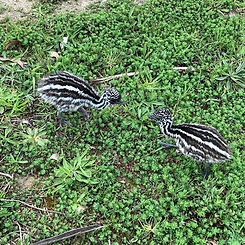
Why Wildlife Monitoring Matters
Understanding which species currently utilize the landscape is crucial for several reasons
Baseline Data Collection
Our wildlife monitoring provides a comprehensive understanding of the existing biodiversity, establishing a baseline against which future changes can be assessed
Impact Assessment
By observing how wildlife interacts with different elements of the ecosystem, we can identify potential positive and negative changes that may result from land management interventions.
Informed Decision-Making
Data from our monitoring efforts guides appropriate land management strategies. This ensures that actions taken are tailored to support local wildlife and preserve ecological balance.
Our Methodology
We employ a systematic approach to wildlife spotting and monitoring that includes:
Field Surveys
Trained ecologists conduct regular field surveys to observe and document wildlife species, behaviors, and habitat use. This involves direct observation, camera traps, and other monitoring tools.
Data Analysis
Collected data is analyzed to identify trends, population dynamics, and habitat preferences. This informs our understanding of how land management practices may affect wildlife.
Comprehensive Reporting
We provide thorough reports detailing findings, including species lists, distribution maps, and recommendations for land management interventions based on our observations.
